Designing for the Community
Modern public libraries are the ultimate democratic spaces. They are free, inclusive, and built to foster interaction. Instead of prioritizing dense shelving lines—the hallmark of the 20th-century library—architects today map spaces around user experience and social integration.
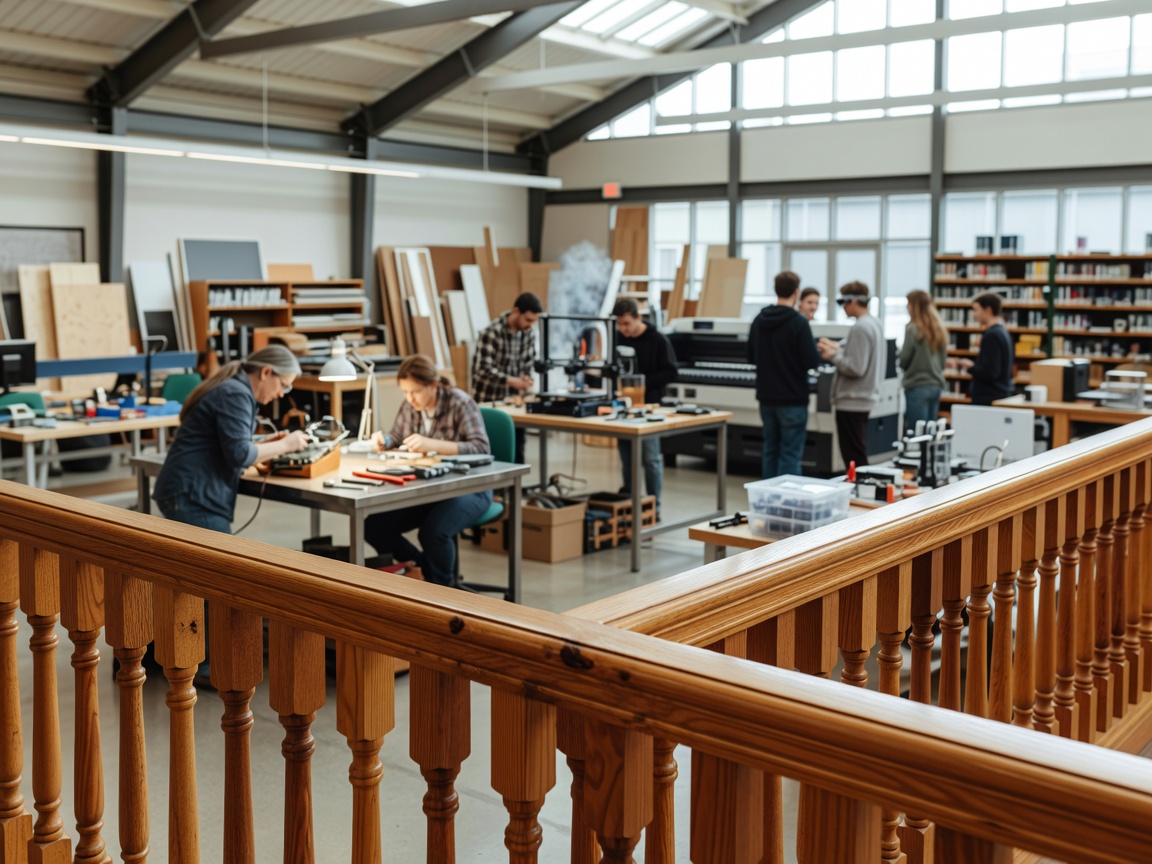
The Maker Space Evolution
Incorporating 3D printers, recording studios, and collaborative workshops into library architecture requires specific acoustic zoning and durable material choices. Sound-dampening baffles and floating floor systems isolate noisy civic activities from the quieter, reflective spaces located on upper tiers.
The Civic Living Room
Characterized by expansive glass facades, cafés, and un-gated entryways. The architecture is deliberately porous, inviting the street into the building.
Maker and Media Spaces
Designed with modular furniture and high-load power grids. Acoustic glass separates these active learning zones without blocking sightlines.
Traditional Reading Rooms
Vaulted ceilings, extensive use of timber, and passive lighting create a modern sanctuary for deep, uninterrupted focus.